 Skip to content















Being in a long-distance relationship is not the initial goal or desired state for most couples. However, such relationships are becoming more common due to a combination of modern life circumstances, changing lifestyles, greater geographic mobility, and the evolution of technology. Here are the most common ways LDRs start.
Despite the obvious challenges, many individuals and couples find themselves in long-distance relationships. A variety of reasons and life situations can create geographical separation between partners.
These romantic connections typically stem from specific personal, social, educational, or professional contexts that make physical proximity difficult or impossible.
Let’s review some of the most common conditions or environments in which long-distance relationships are formed.
1. Online Dating Platforms

Dating websites and apps allow people to meet and connect across cities, countries, or even continents. Some users intentionally seek long-distance partners due to specific preferences (e.g., shared culture, religion, interests not found locally, or pursuit of a better future).
2. Social Media and Online Communities

People from all over the world meet digitally through social networks, niche interest or hobby message boards, chat rooms, virtual language exchange programs, or fandom forums. These connections often start as platonic friendships and evolve into romantic relationships over time.
3. Higher Education

Sometimes, high school sweethearts attend colleges in different cities or countries but decide to maintain the relationship long-distance.
In other cases, two students meet, date during college, and then move apart after graduation due to job opportunities, graduate school, internships, or family reasons. The relationship continues long-distance after one or both relocate.
4. Travel Encounters

People meet while on vacation, during study abroad programs, or through work-related travel. After returning home, they decide to keep the relationship going despite the distance.
5. Work and Career Opportunities

LDRs often become necessary due to work or career choices, especially in today’s global, mobile, and competitive job market. A partner might take a job in a different city, country, or region – often for better income, advancement, or personal growth.
Alternatively, a person might meet someone while on a business trip, at a conference, or on a temporary assignment. They form a strong connection and decide to explore the relationship long-distance after the trip ends.
6. Mutual Friend or Family Introductions

Friends or relatives introduce people who live far apart, sometimes even as part of matchmaking efforts. The relationship develops remotely before any in-person meetings.
7. Gaming and Virtual Worlds

Gamers often spend hours in multiplayer games, collaborating, strategizing, and communicating via voice or chat. These shared experiences create strong emotional bonds – sometimes stronger than those in face-to-face interactions.
8. International Events

Academic conferences, live music concerts, cultural festivals, professional trade shows, or group trips can create circumstances that enable strangers from different places to form close bonds.
9. Military and Deployment
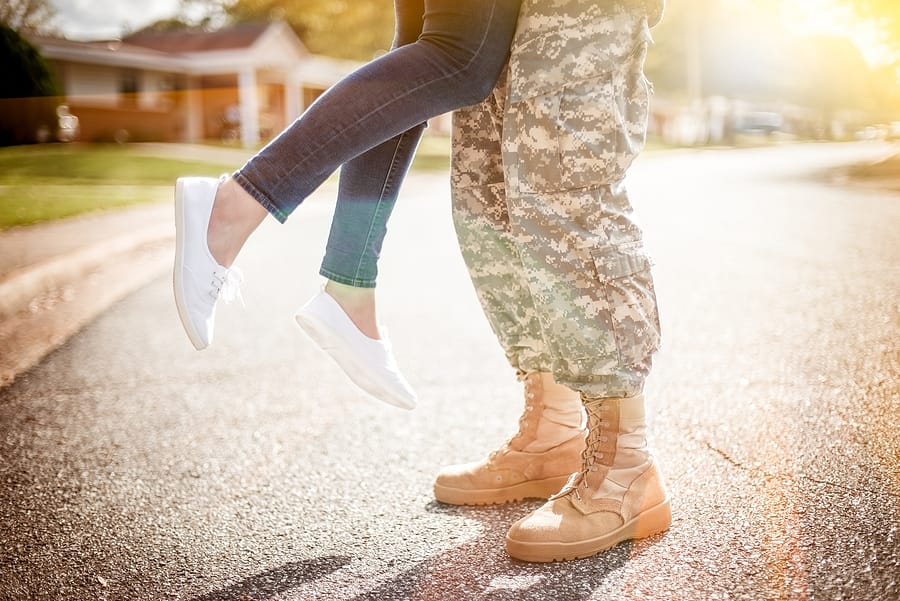
One partner is in the military and stationed away from home for extended periods. Some relationships start this way, while others become long-distance due to deployment.
10. Meeting at a Wedding as Guests

Two guests who live in different cities or countries meet at a wedding – often through mutual friends or family – and feel an instant connection. They might bond during the event and stay in touch afterward, choosing to explore a romantic relationship despite the distance.
11. Family Obligations

A partner might relocate to care for an aging parent, a sick relative, or a family member in crisis. In blended families or relationships in which one person has children from a previous relationship, one of the partners might need to remain near their kids due to custody agreements. Or, a person might move or stay in a certain location to help with a family business, a farm, or another local responsibility.
12. FIFO Couples
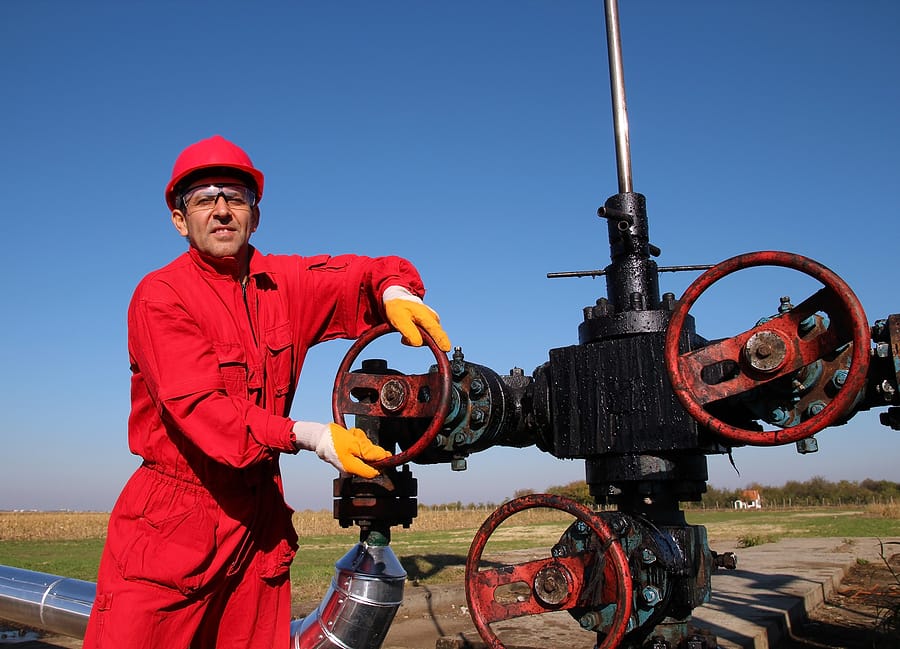
LDRs often form or evolve into FIFO (Fly-In Fly-Out) couples due to the nature of their work and lifestyle. FIFO arrangements are common in industries such as mining, oil and gas, offshore rigs, aviation, and remote construction, where one partner regularly travels for extended work shifts away from home.
13. International Volunteering Programs
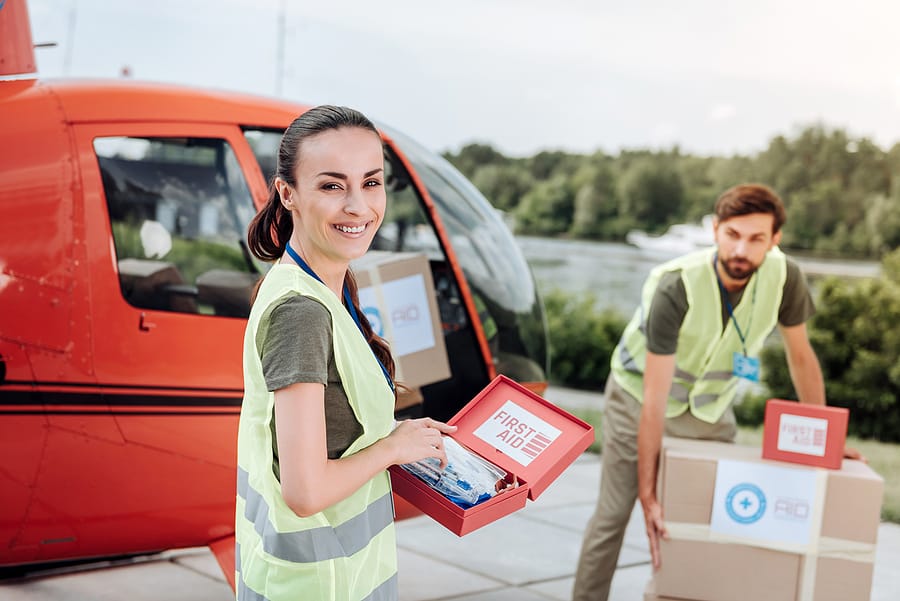
Participants from different countries or regions volunteer at the same site (e.g., humanitarian missions, disaster relief, environmental conservation). Working closely together, often in emotional or intense conditions, leads to strong personal bonds. After the program ends, the partners return home to different parts of the world but continue the relationship long-distance.
In other situations, programs like the Peace Corps, UN Volunteers, Red Cross, or WWOOF often recruit people globally. Volunteers might meet on location, during training, or at orientation events and form a romantic connection that becomes long-distance when their assignments change.
14. Prison

In many cases, the couple was already together before one partner was incarcerated. When imprisonment occurs, the relationship becomes long-distance by circumstance, sustained through letters, phone calls, visits, and emotional support.
In other instances, many incarcerated individuals participate in pen pal programs designed to combat loneliness and foster human connection. People on the outside write to inmates, and some of these connections evolve into deep romantic relationships over time.